Gustav Klimt Prints
You can buy Gustav Klimt prints here in three formats: Premium Canvas, Framed Canvas, and Archival Paper. Every print is printed and shipped by ArtsyWall with free shipping to US addresses.
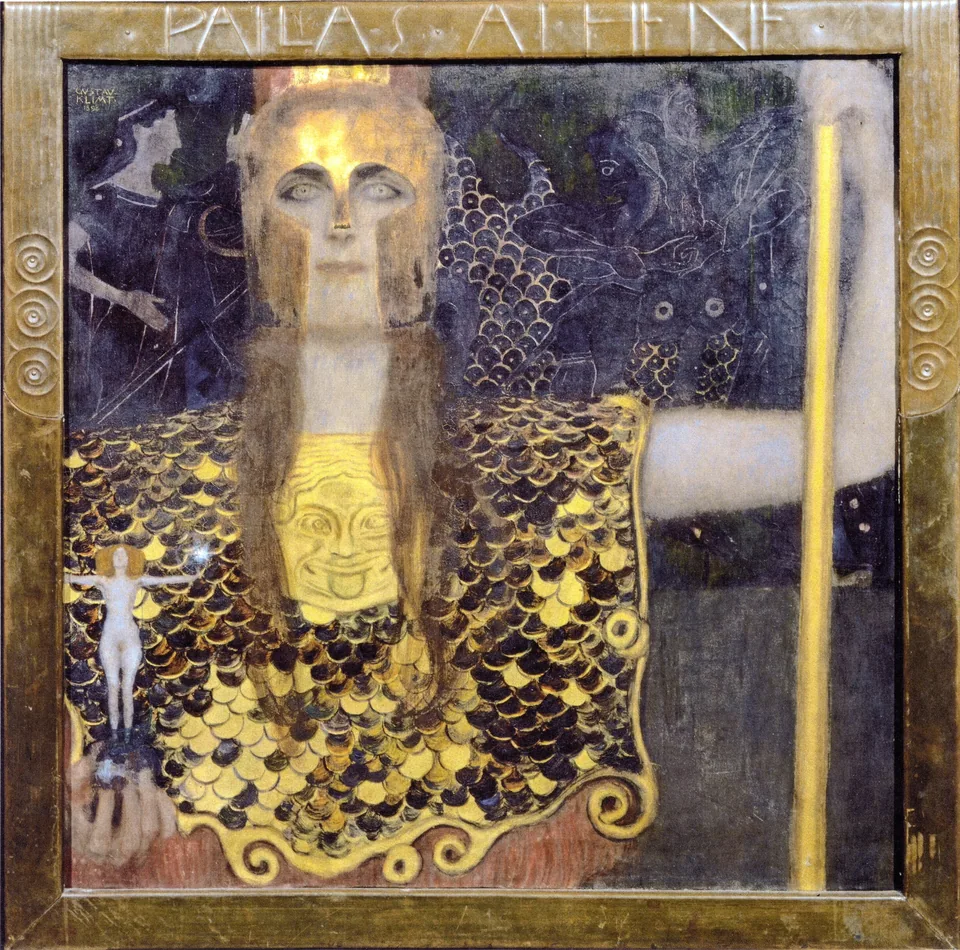
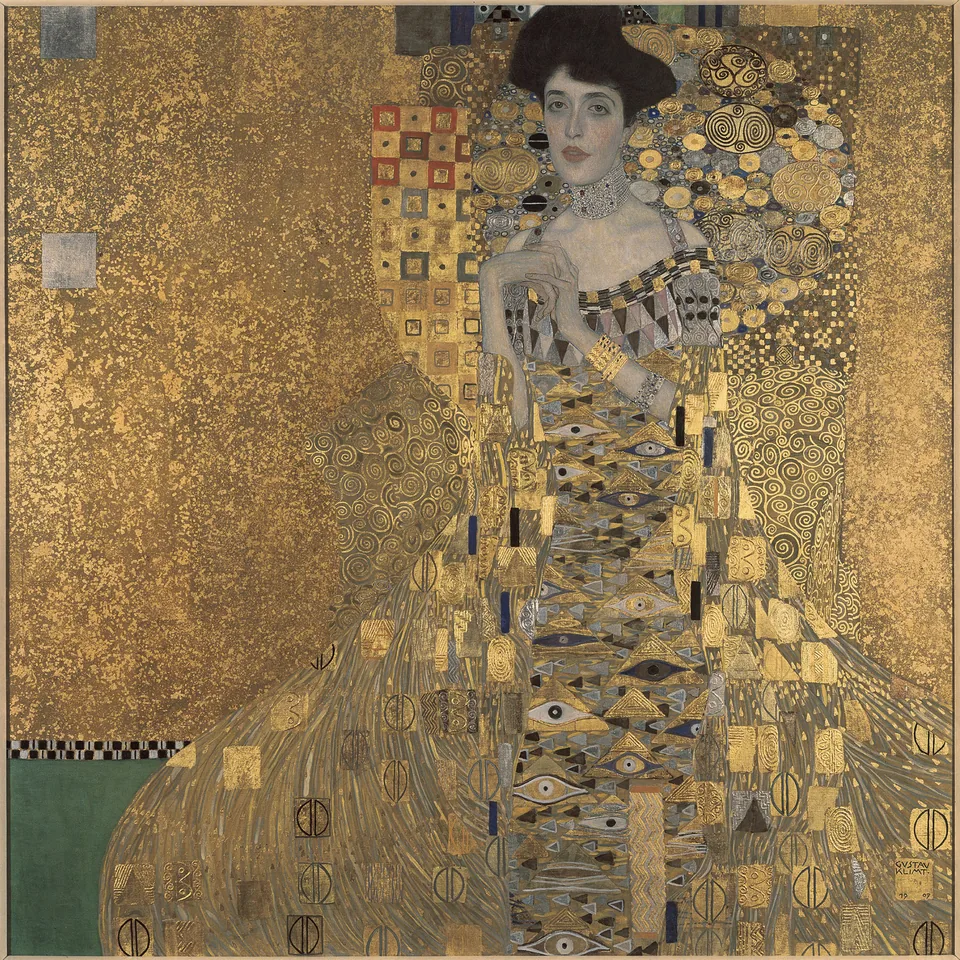
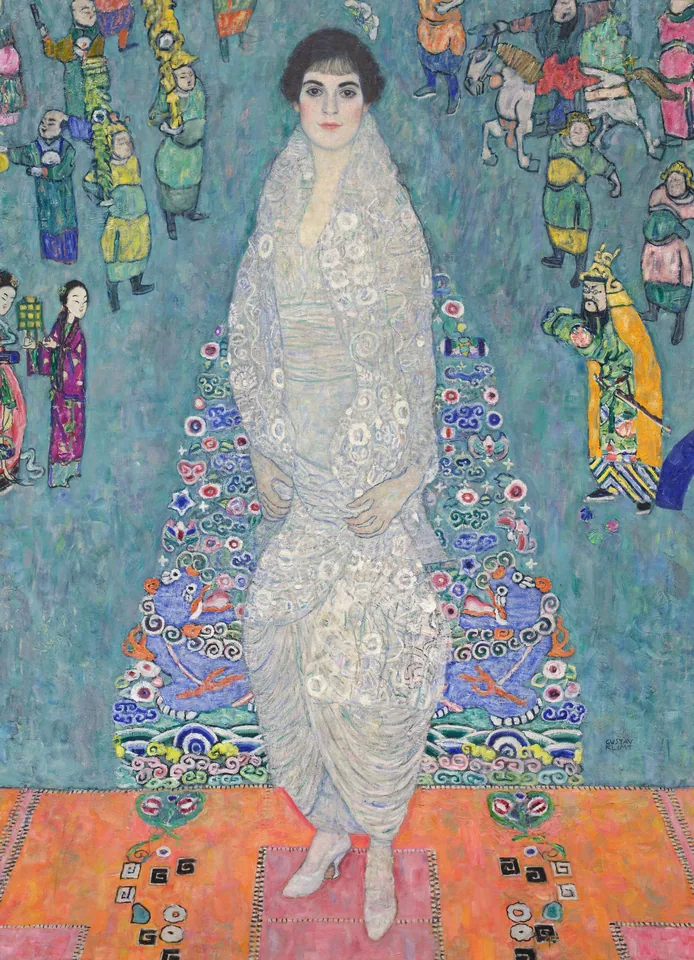
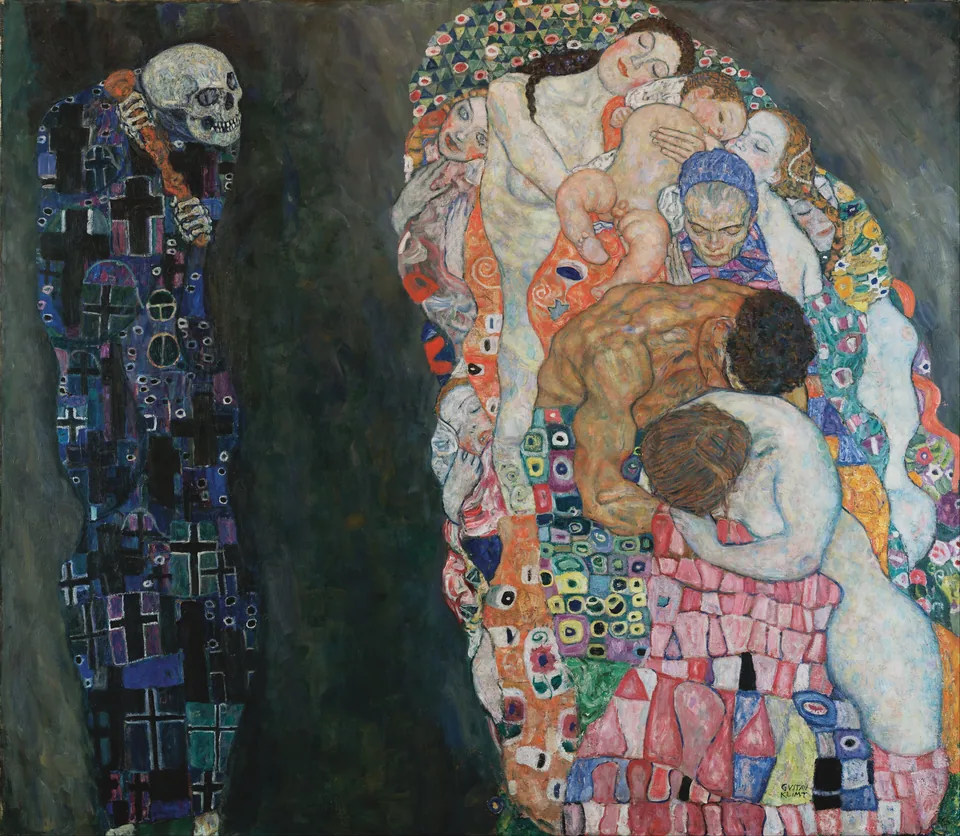
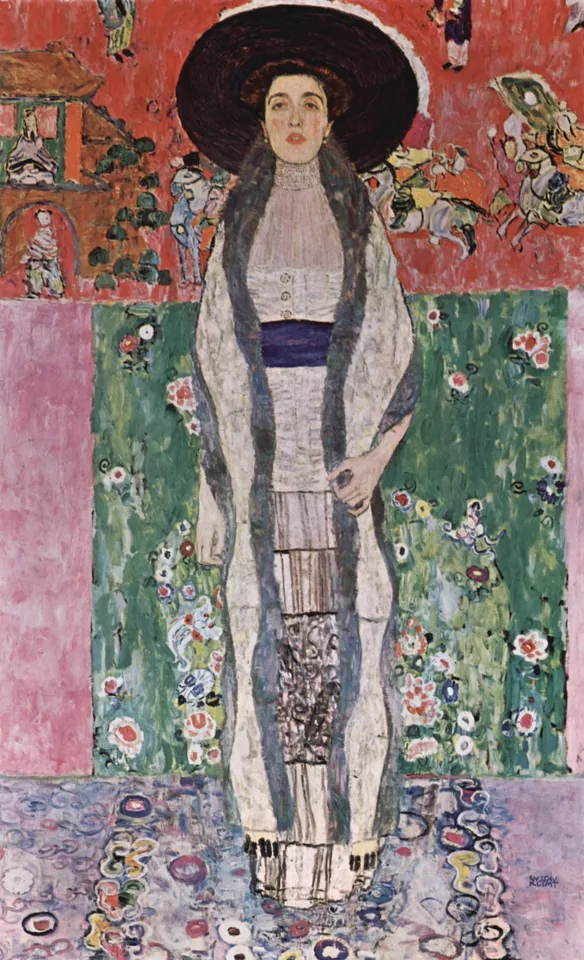
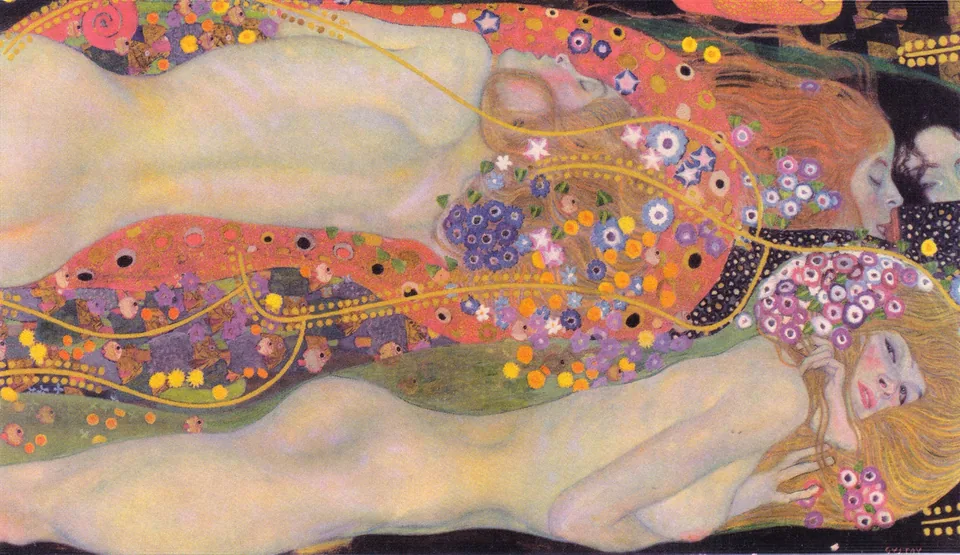
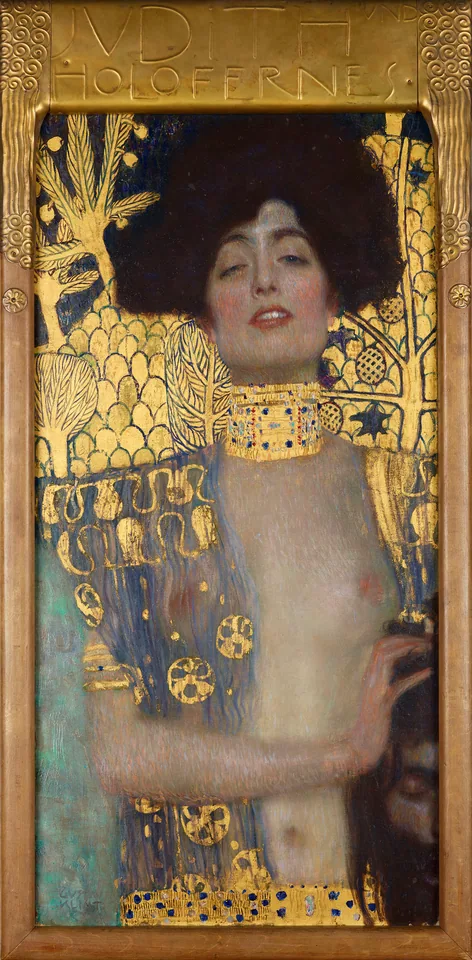
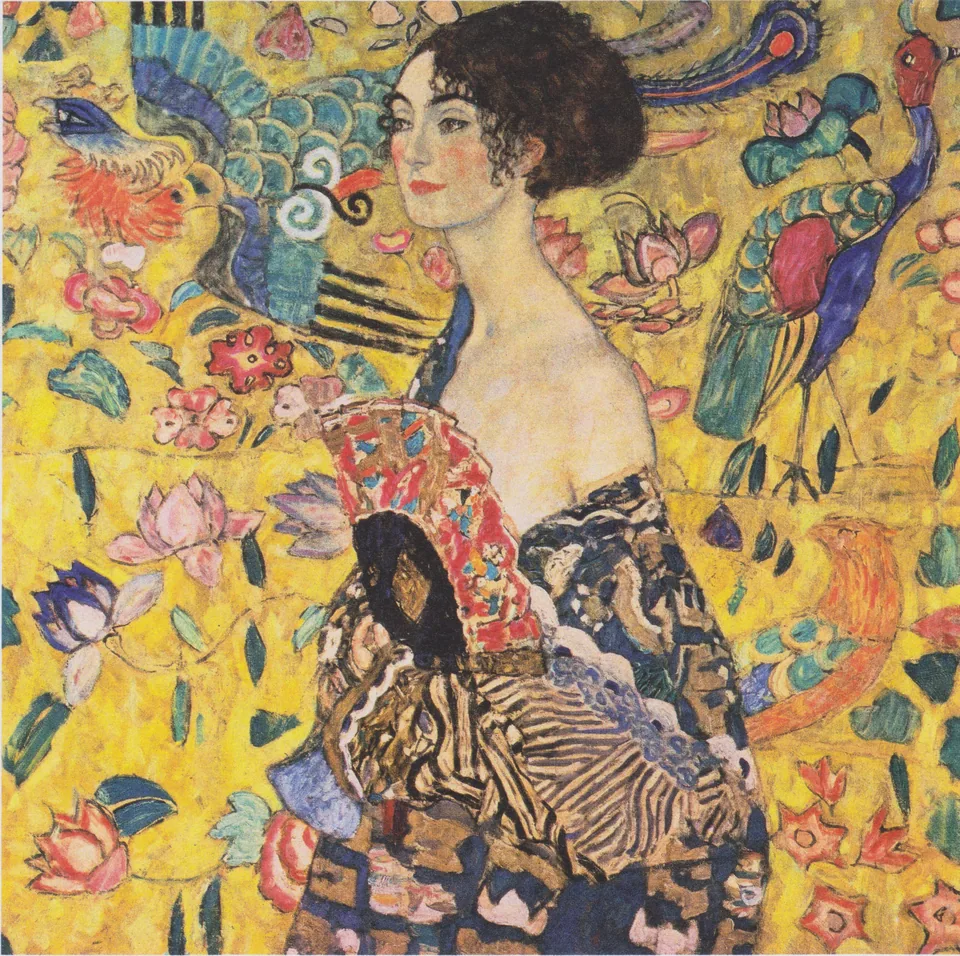
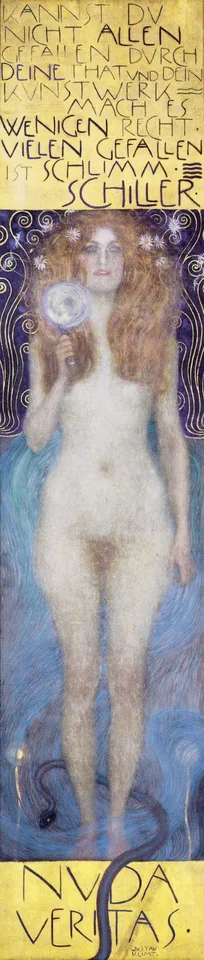
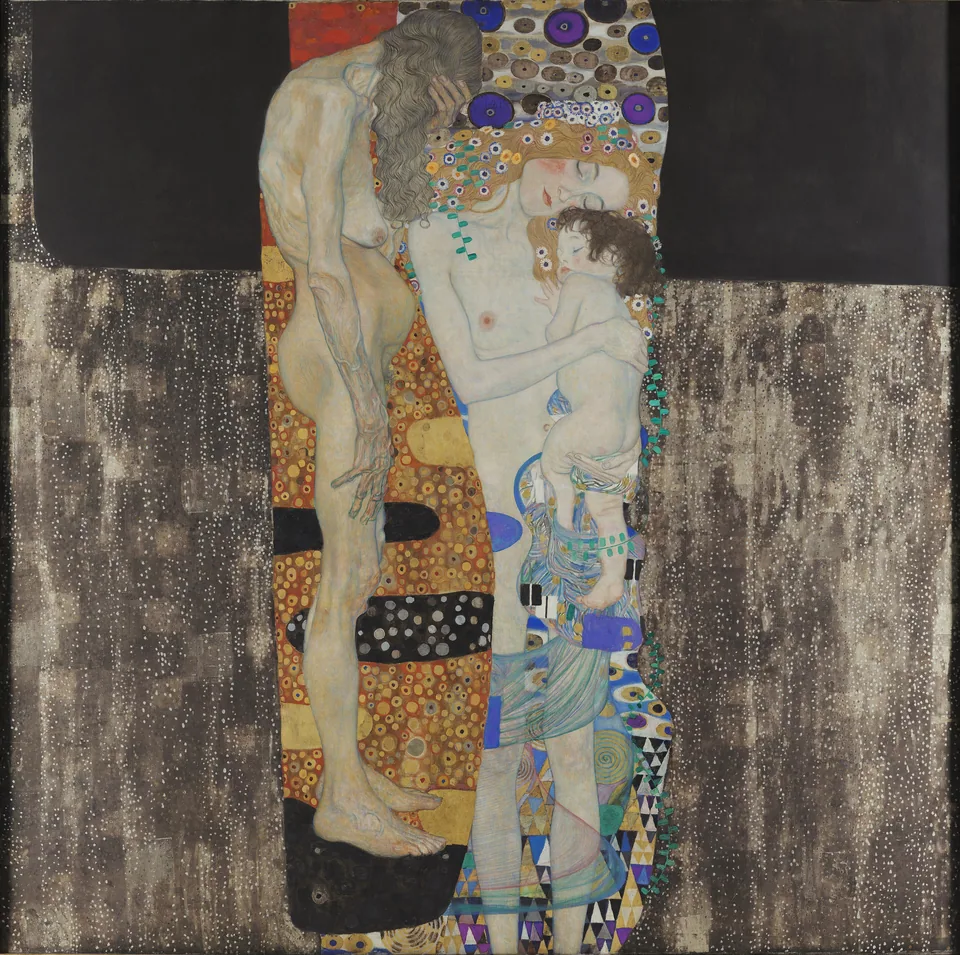
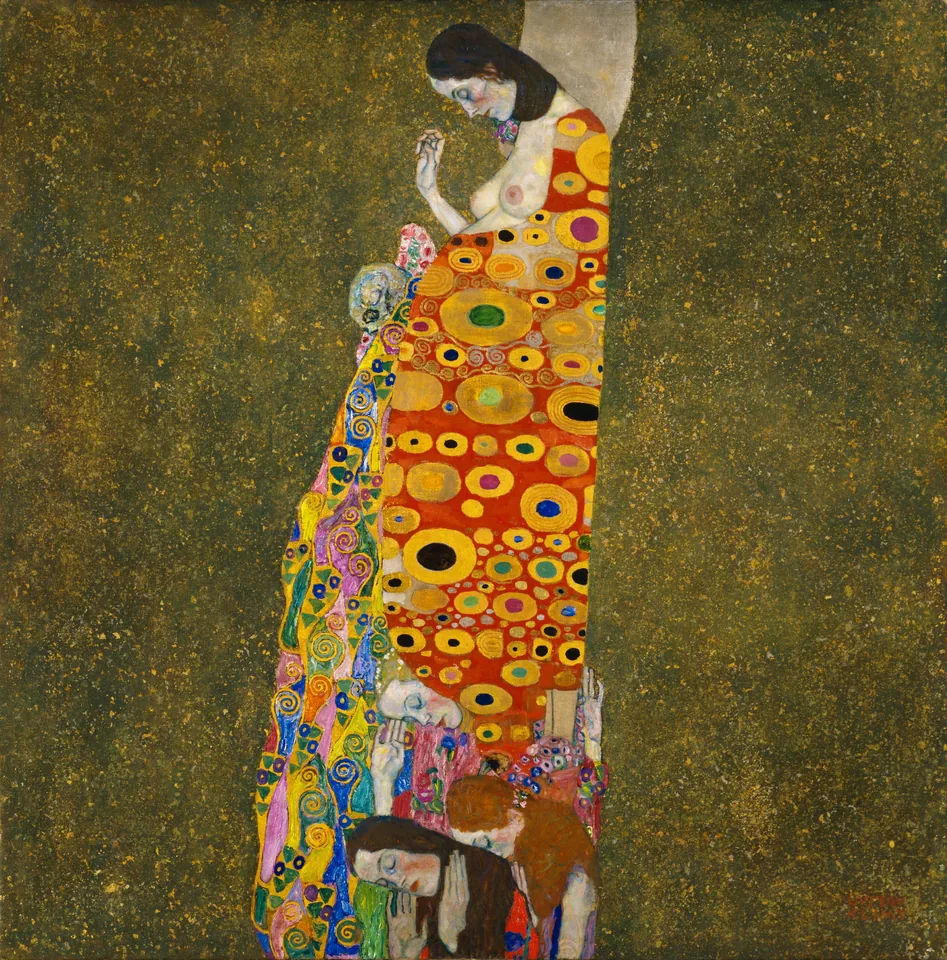
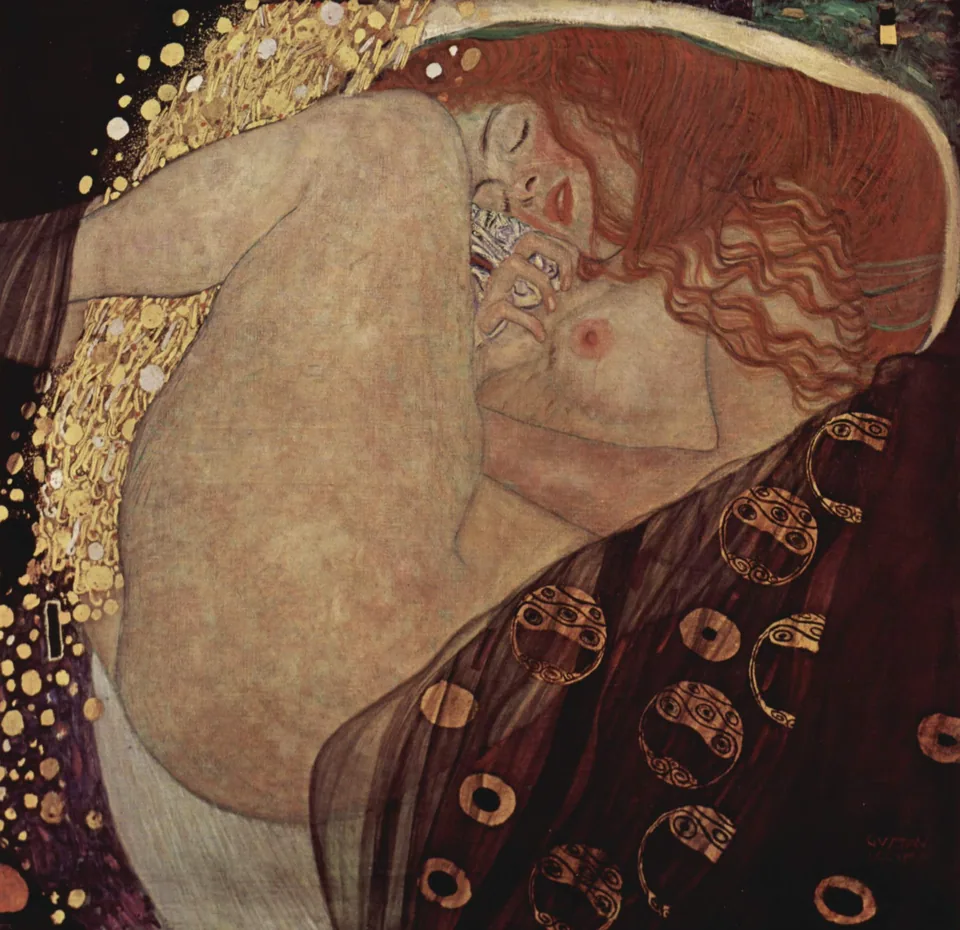
Shown at their relative sizes. See all 175 works
Klimt prints for your home
You can buy Gustav Klimt prints on this site, with every order printed and shipped by ArtsyWall in Premium Canvas, Framed Canvas, or Archival Paper. Klimt filled his canvases with gold leaf, geometric shapes, and expressive human figures. Hanging one of his works brings rich color, swirling lines, and decorative detail to your room.
Because Klimt died in 1918, his paintings are in the public domain. The images used for our prints come from high-resolution public-domain photographs of the original artworks. Our site has no affiliation with any museum, the Klimt Foundation, or Klimt’s estate.
You can browse every Klimt painting, with year and museum to see where original works hang today. If you need help choosing the right size or frame style for your room, read our guide: how to choose a Klimt print. ArtsyWall provides free US shipping on every order, with details on delivery and our 30-day return policy on our shipping and returns page.
Choose your format
ArtsyWall prints Klimt’s work using giclée printing on thick, acid-free archival canvas rated fade-resistant for more than 100 years. If you select Premium Canvas, your print is hand-stretched over solid wood bars with an unframed gallery wrap and comes with a sawtooth hanger on the back.
Framed Canvas places that stretched canvas inside a wood floating frame, leaving a small gap around the edges so the canvas appears to float. You can select from six finishes: black, white, gold, silver, walnut, and oak. Framed prints arrive with a hanging wire attached to the back.
Archival Paper is an unframed option printed on heavyweight 340gsm, textured 100% cotton rag paper with a watercolor feel. This format ships rolled in a protective tube, allowing you to choose your own custom mat and frame. Available sizes differ from work to work, ranging on pieces like The Kiss from 11 x 14 inches up to 30 x 40 inches. Check the buy box on each artwork page to see the exact dimensions offered.
Explore Klimt by theme
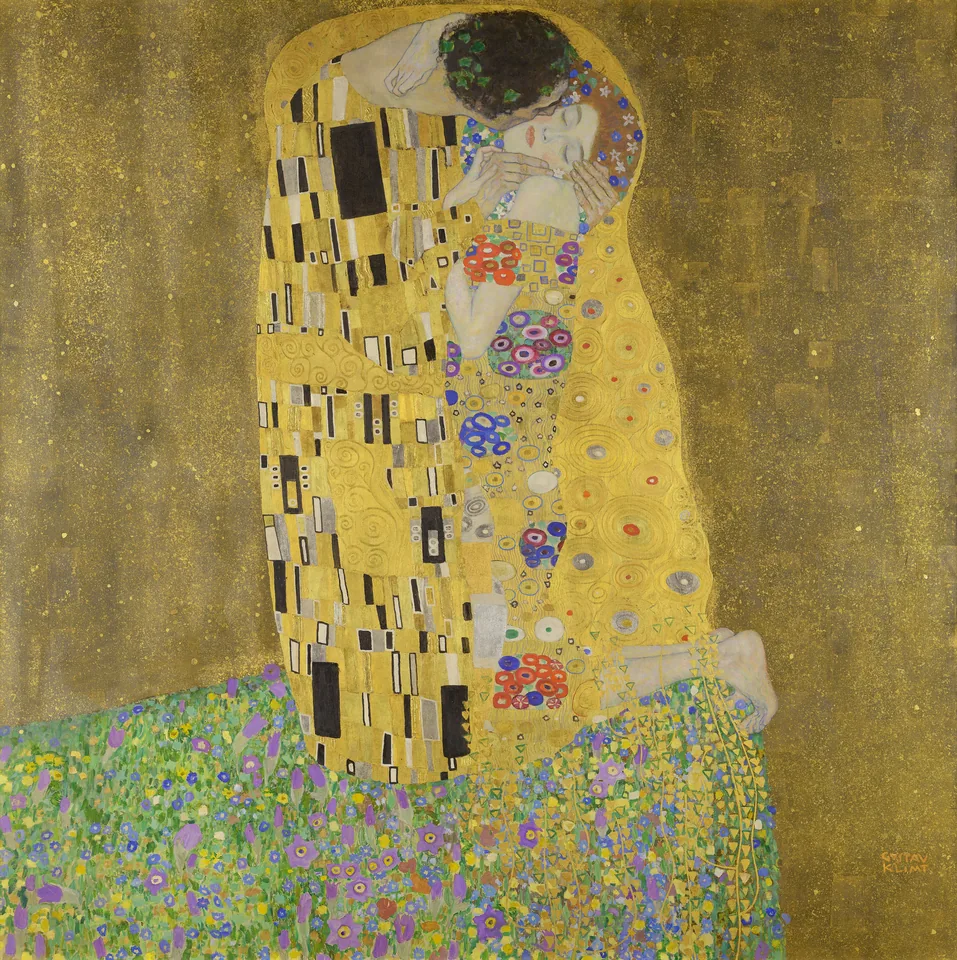
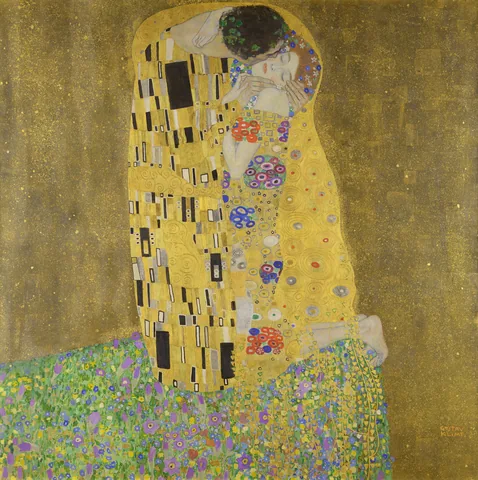
You can explore prints of The Kiss to see his most famous composition of two lovers embracing on a flower-covered cliff.
Browse prints: gold period to find works layered with gold leaf, Byzantine mosaic motifs, and decorative spirals.
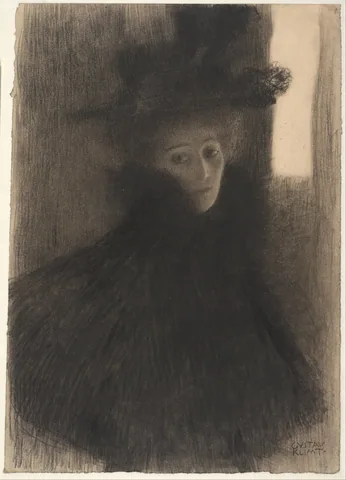
Discover prints: portraits featuring Vienna society women depicted in flowing reform gowns and patterned clothing.
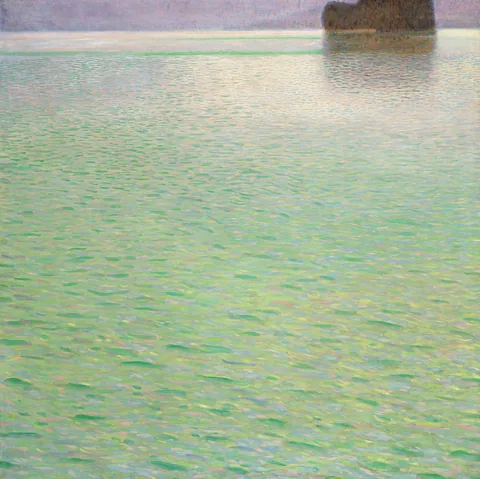
View prints: landscapes capturing the tranquil shores, deep waters, and forest slopes of Lake Attersee.
Explore prints: flowers and gardens filled with square fields of blooming sunflowers, poppies, and fruit trees.
Choose prints: allegories that interpret philosophical ideas, myth, and human emotion through complex symbolic figures.
About Gustav Klimt
Gustav Klimt was born near Vienna in 1862 as the son of a gold engraver. He studied architectural painting on a scholarship at the Vienna Kunstgewerbeschule from 1876 to 1883. Early in his career, he formed the Künstlercompagnie with his brother Ernst Klimt and Franz von Matsch, painting theater curtains and ceiling murals across Central Europe. Emperor Franz Joseph I awarded Klimt the Gold Cross of Merit in 1888 for his murals in the Vienna Burgtheater.
In 1897, Klimt co-founded the Vienna Secession and served as its first president, breaking away from conservative exhibition halls. For an in-depth account of his life and career, read our guide: Gustav Klimt life and work. Klimt’s primary subject was the female body, often rendered with frank eroticism and symbolic power.
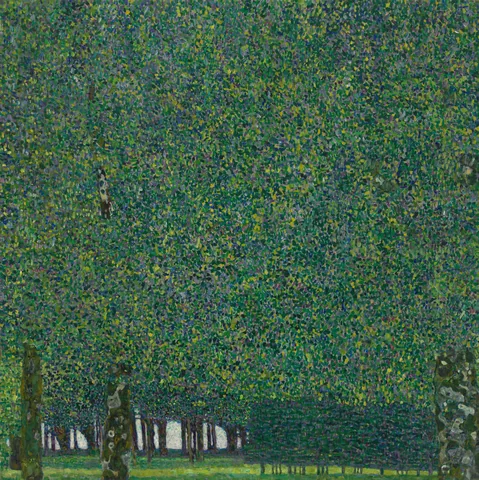
Between 1900 and 1916, Klimt spent his summers at the Attersee in Upper Austria, producing the vast majority of his landscape paintings. Locals called him Waldschrat, or forest demon, because of his working intensity outdoors. Art historians believe he used binoculars or a telescope to flatten landscape space into square compositions.
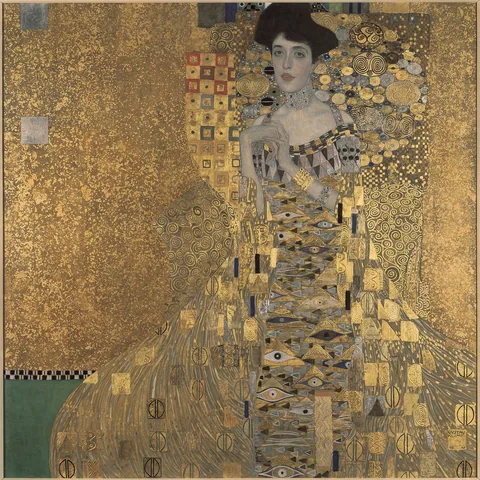
His Golden Phase drew direct inspiration from trips to Venice and Ravenna, where Byzantine church mosaics influenced his use of gold leaf and intricate ornamentation. Canvases such as The Kiss and Portrait of Adele Bloch-Bauer I brought him lasting recognition. Klimt died in Vienna in February 1918 following a stroke and pneumonia, leaving a body of work that continues to draw viewers in galleries worldwide.
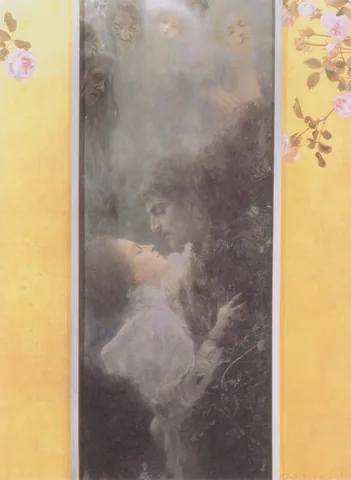
Best-known prints
Paintings you can order as canvas or fine art paper prints. Each page shows the sizes, frames and prices.
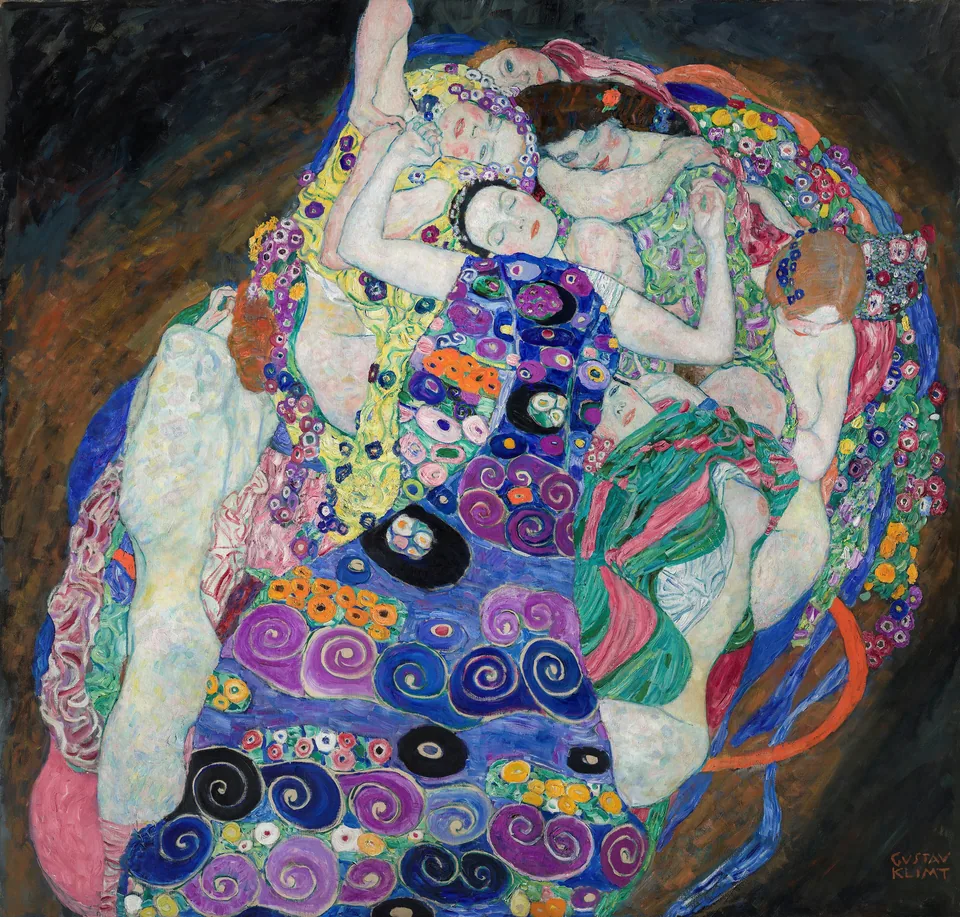
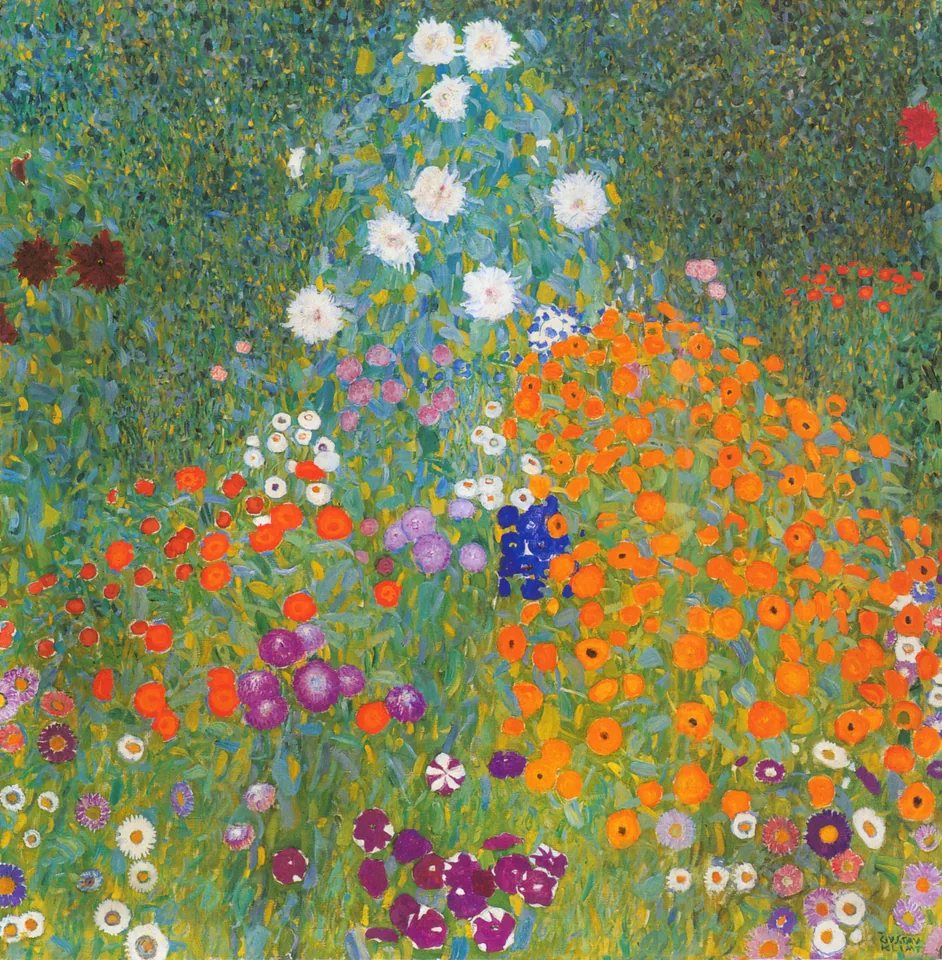
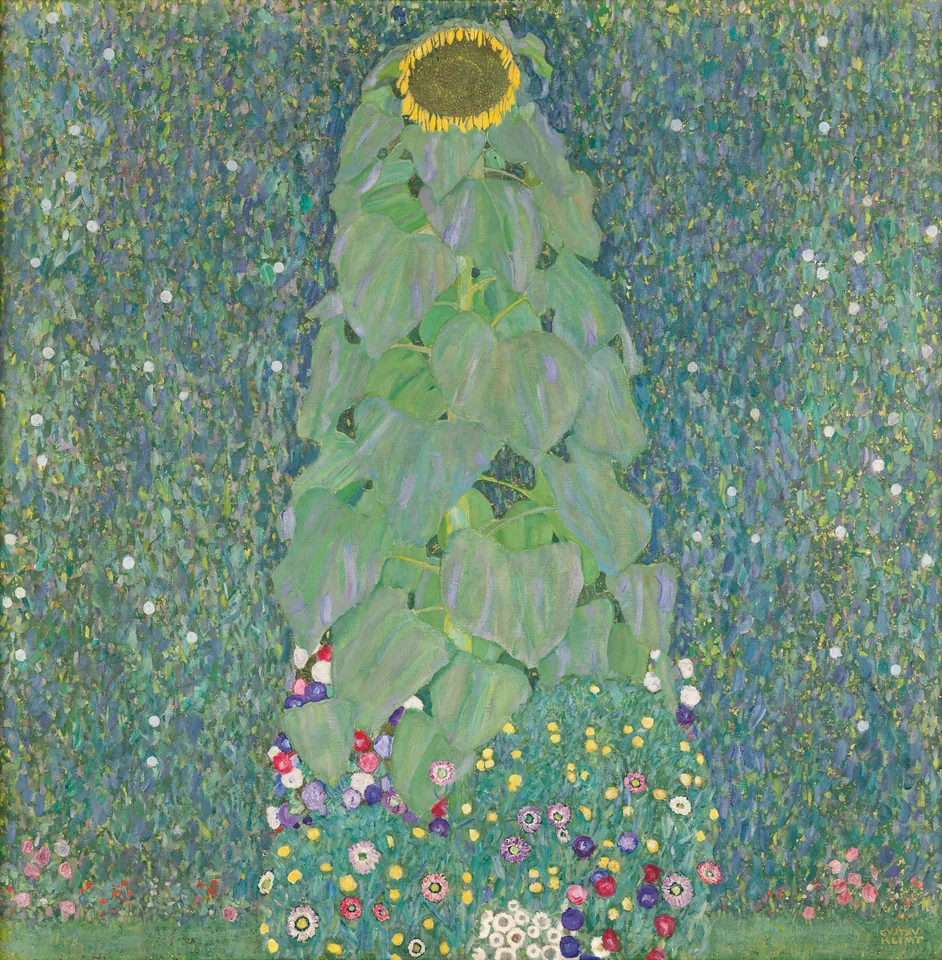
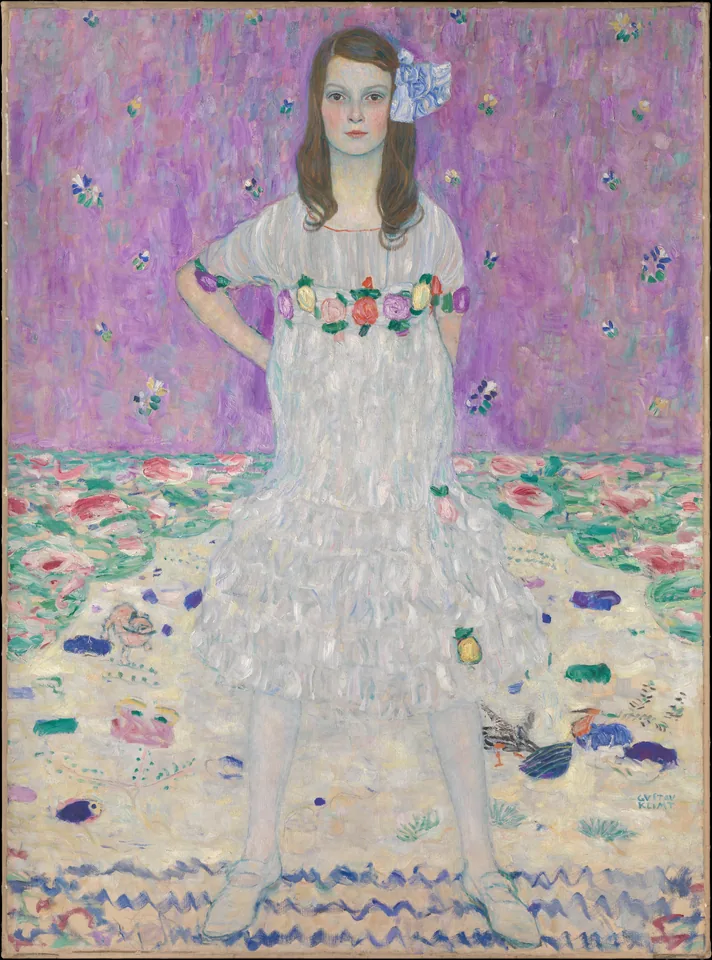
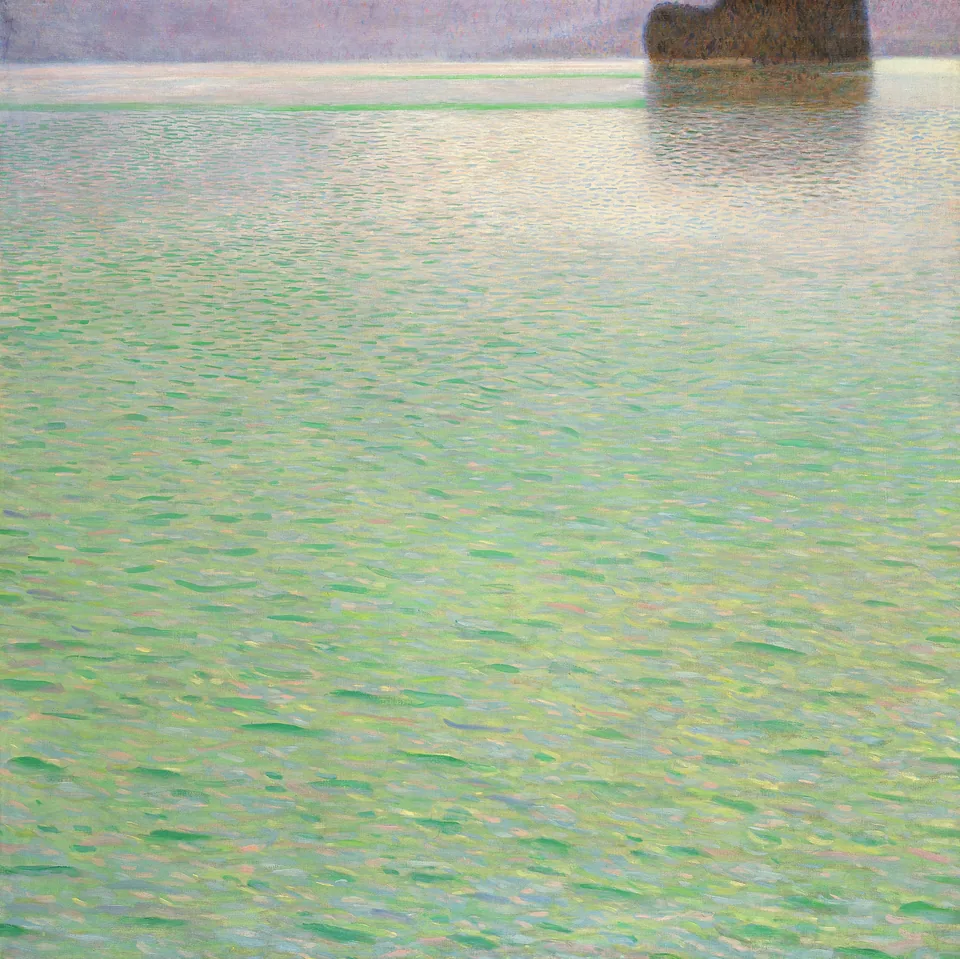
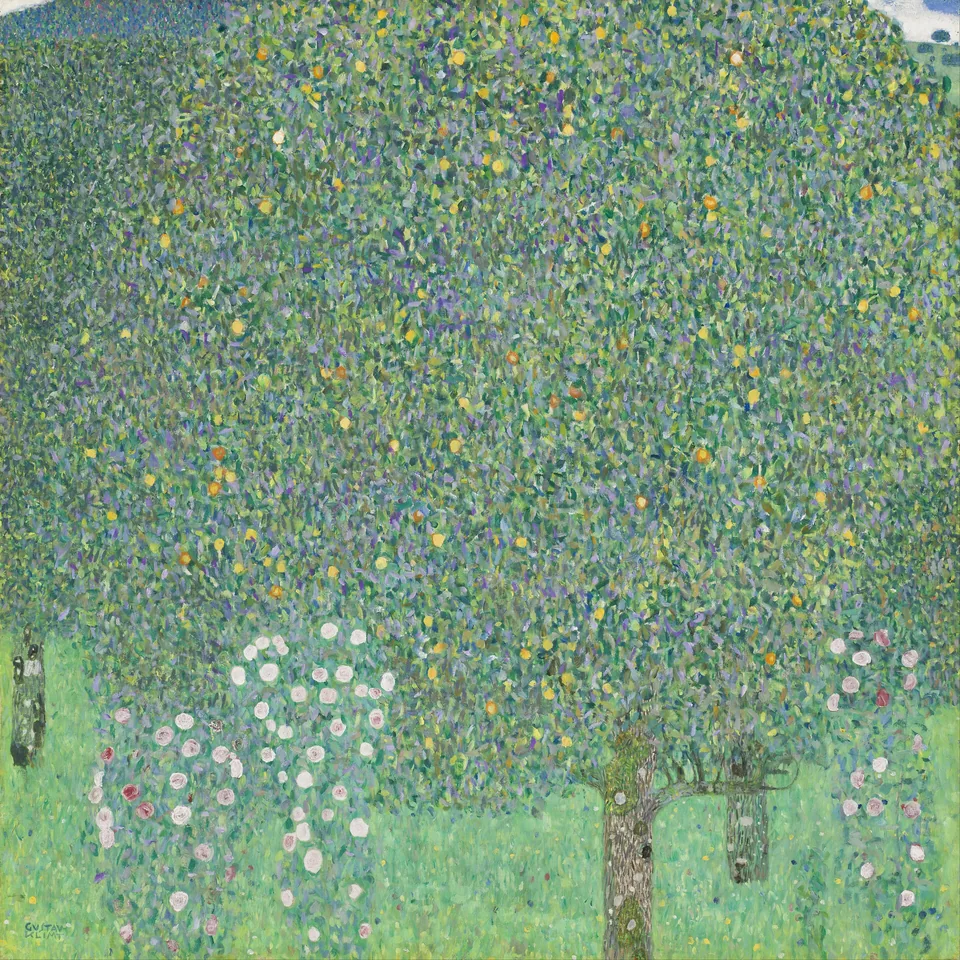
Guides
- Can You Buy an Original Klimt Painting?
You can rarely find an original Gustav Klimt painting for sale because almost all of his works hang in public museums or tight private collections. When an original does enter an auction room, private sales and bids reach tens of millions.
- Emilie Flöge: Klimt's Companion and Muse
Emilie Flöge was an Austrian couturière, fashion designer, and the lifelong companion of Gustav Klimt. She ran Vienna's Schwestern Flöge salon and inspired some of Klimt's most celebrated portraits.
- Gustav Klimt: Life, Paintings and Style
Gustav Klimt was an Austrian painter born in 1862 in Vienna. He is famous for his decorative portraits with gold leaf, expressive female figures, and tranquil lake landscapes.
- How to Choose a Klimt Print: Sizes, Formats and Framing
Choosing a Gustav Klimt print comes down to matching the artwork's original shape to your wall space and selecting the right format. You can select unframed archival paper, a gallery-wrapped canvas, or a framed canvas in six wood finishes.
- Klimt and the Vienna Secession
The Vienna Secession was a progressive union of artists formed in 1897 by Gustav Klimt and fellow creatives who broke away from the conservative Vienna Künstlerhaus to build an independent home for modern art.
- Klimt's Golden Phase: The Gold Paintings Explained
Klimt's golden phase was a creative period from about 1899 to 1910 defined by gold leaf, flat ornament, and Byzantine imagery. It produced works such as The Kiss and the Portrait of Adele Bloch-Bauer I.
- Klimt's Landscapes and the Attersee
Gustav Klimt painted more than 50 landscapes, creating the majority of them during summer holidays at Lake Attersee between 1900 and 1916. These works feature square compositions, close-up foliage, reflective water, and quiet forest interiors.
- Klimt's University Paintings: Philosophy, Medicine and Jurisprudence
Gustav Klimt's university paintings were three monumental ceiling panels titled Philosophy, Medicine, and Jurisprudence, commissioned in 1894 for the University of Vienna. These provocative allegories caused fierce controversy, were rejected by faculty members, and were ultimately lost to fire in 1945.
- The Beethoven Frieze: Klimt's Wall Painting at the Secession
The Beethoven Frieze is a monumental wall painting created by Gustav Klimt for the 1902 Vienna Secession exhibition, interpreting Ludwig van Beethoven's Ninth Symphony across three walls.
- The Kiss by Gustav Klimt: Meaning, History and Where It Hangs
The Kiss painting by Gustav Klimt is an oil and gold leaf artwork created in 1907–1908 that depicts two lovers embracing on a flowery cliff. Klimt's work hangs in Vienna at the Österreichische Galerie Belvedere.
- The Kiss Print: ArtsyWall vs IKEA
IKEA does not sell The Kiss by Gustav Klimt. A search on IKEA's US website on October 3, 2026, returned no products for Klimt, but you can order dedicated prints of the painting through ArtsyWall.
- The Stoclet Frieze and the Tree of Life
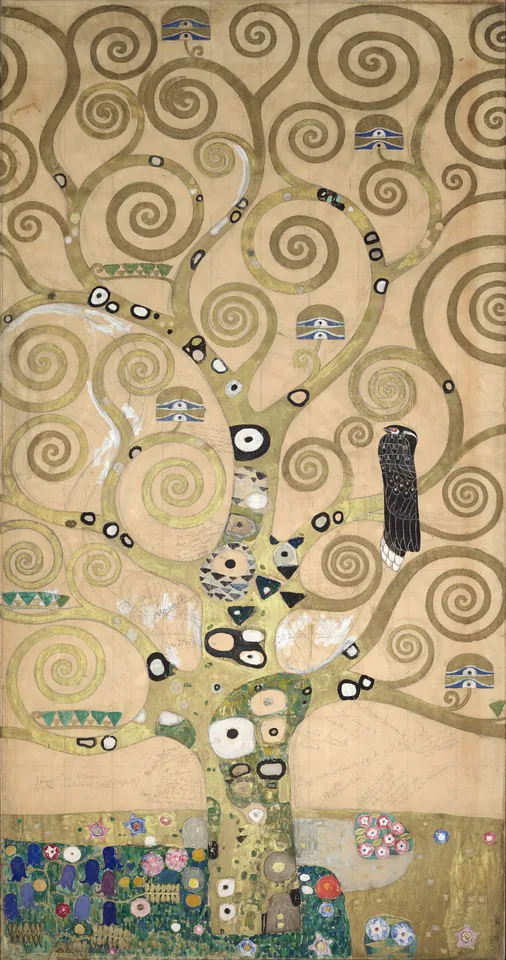
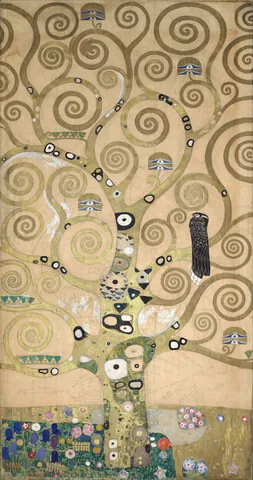
The Stoclet Frieze is a three-part dining room mosaic designed by Gustav Klimt for the Palais Stoclet in Brussels. At its center curls the famous Tree of Life, connecting panels that represent Expectation and Fulfilment.
- Where to See Klimt's Paintings: Museums in Vienna and Beyond
You can see Gustav Klimt paintings primarily in Vienna, Austria, with the largest collection at the Belvedere museum. Key works also hang in the Leopold Museum, New York's Neue Galerie, and major galleries across Europe.
- Woman in Gold: Klimt's Portrait of Adele Bloch-Bauer
Woman in Gold is the common name of Gustav Klimt's Portrait of Adele Bloch-Bauer I, completed in 1907. The painting hangs today on permanent public display at the Neue Galerie New York.
- Women in Klimt's Paintings: Sitters, Muses and Allegories
A Klimt woman painting captures female presence across society portraits, classical allegories, and intimate drawings. Gustav Klimt focused on women as patrons, professional muses, and modern figures throughout his career.
Questions and answers
Where can I buy Gustav Klimt prints?
You can buy Gustav Klimt prints directly through this online gallery, with checkout processed securely on the ArtsyWall store. ArtsyWall produces every order on archival materials across three wall art formats: Premium Canvas, Framed Canvas, and Archival Paper. Every order includes complimentary delivery to addresses throughout the United States, backed by a thirty-day return guarantee.
What is Gustav Klimt's most famous piece?
Gustav Klimt's most famous piece is The Kiss, an oil painting layered with gold leaf that he completed between 1907 and 1908. The artwork depicts a kneeling couple wrapped in decorative robes embracing on a flowered precipice. Alongside his 1907 Portrait of Adele Bloch-Bauer I, The Kiss stands as the defining work of Klimt's celebrated Golden Phase.
Which Klimt print should I choose?
Your choice of a Klimt print depends on your color palette and interior decor goals. For shimmering gold and romantic symbolism, choose Golden Phase works like The Kiss. If you prefer calming greenery and square balance, select an Attersee landscape or cottage garden scene. For striking human figures, Klimt's society portraits provide sophisticated ornamental patterns and quiet presence.
Do you ship Klimt prints for free?
Yes, ArtsyWall provides free shipping on every Klimt print order sent to a United States address, without requiring a minimum order total. Production takes two business days for orders submitted before noon Pacific time on weekdays. Carrier transit takes one to five business days, meaning your package generally arrives within three to seven business days after ordering.
Why was Klimt controversial?
Gustav Klimt was controversial because his artwork featured frank eroticism, unclothed figures, and radical visual symbolism that offended conservative society. In 1894, the Austrian Ministry of Education commissioned Klimt to paint ceiling murals for the University of Vienna. Eighty-seven faculty members protested his murals, branding them pornographic. Vienna audiences and critics also reacted with hostility to public exhibitions of his erotic drawings.